Stronger teams
- Problem-solving skills
- Innovation
- Employee collaboration
- Employee communication
- Employee morale
- Employee appreciation
 Gimiyiyat
ROOTED IN CONNECTION. GROWING TOGETHER.
Gimiyiyat provides a buildable Indigenous cultural life skills program. Build confidence, strengthen connection, and develop practical skills through programs offered from 2 to 12 weeks.
WELCOME AS YOU ARE
Gimiyiyat offers a buildable, strengths-based Indigenous cultural life skills program that connects practical skills with identity, community, land, and personal purpose.
Programs are offered from two weeks up to 12 weeks, with a flexible learning outline that can be built around your group’s needs. Through hands-on activities, reflection, conversation, and community-guided learning, participants explore who they are and what they want for their future.
You choose what you share. You can listen, reflect privately, or take part in a way that feels right for you.
OUR STORY
“Gimiyiyat” means “guide them.” Since 2019, Gimiyiyat has developed Indigenous cultural programs supporting belonging, social inclusion, cultural reclamation, and a positive view of the future.
Our Indigenous Cultural Training Program (ICTP) provides professional and personal development for students, professionals, and community members. Indigenous facilitators and Elders guide immersive learning through a strengths-based approach, the Circle of Courage, the Seven Grandfather Teachings, and cultural mentorship.
Mentorship can include one-on-one support, informal learning, outreach, cultural team building, and connections to services. Ask about workshops in self-development and life skills, and our hunting and preserving camps.
We envision full and equitable access to cultural reclamation education for First Nations people, and a world that recognizes the gifts and wisdom of First Nations cultures as valuable, distinctive, and beautiful.
Our approach recognizes cultural reclamation as a pillar of healing, Indigenous teaching and healing practices, individuals within their families and communities, the wisdom of Elders, traditional healers and teachers, and the importance of traditional ceremony and celebration.
CULTURAL CRAFTING
1–5 day workshops
Gimiyiyat also offers cultural crafting classes through workshops lasting from one day to five days. Learn through hands-on creative activities and connection.
Explore our cultural crafting kits.
LEARN & CONNECT TOGETHER
Community and team building brings together activities, training, and shared experiences that help people develop the collaboration and communication skills needed to work together and achieve common goals.
Team collaboration plays an important role in the success of a team, especially within a community. Gimiyiyat offers opportunities to connect, learn, and grow together.
Spend time with the Gimiyiyat team and leave with lasting memories and knowledge to share.
Ask about team buildingDiyi Dzinzisi Inigi Gwanistłi — “Thank you for this day”
CULTURE & IDENTITY
First Nations youth connect with teachings, culture, and their territory through relationships with community Elders. Learning explores identity and the connections between family, community, and land; culture through food, art, song, care for the land, and balance; the history and ongoing effects of colonization; and skills for responding to racism and bullying.
The program celebrates personal and collective strengths through inspiring youth stories. Youth groups are invited to create and share “culture is wellness” videos. Contact our team for program pricing.
Learning with Elder women can include traditional food preparation, self-care and personal hygiene, menstrual-cycle teachings, mental health awareness, self-love and self-respect, hair teachings, and sunrise and sundown teachings. The proposal also describes a berry-fast tradition associated with coming of age. Community-specific practices and protocols are guided by the appropriate Elders. Contact our team for pricing.
ONE STEP AT A TIME
Programs from 2 to 12 weeks.
Explore these adaptable learning themes.
Recognize your strengths, explore your values, and notice the people and places that help you belong.
Try it: Create a personal identity map and choose a goal for your program.
Practice observation, care, and responsibility through learning connected to the land.
Explore: What do you notice in the places that matter to you?
Recognize feelings, explore ways to steady yourself, and identify sources of support.
Reflect: What helps you feel grounded during a difficult day?
Practice listening, speaking clearly, and setting respectful boundaries.
Practice: Express a need and listen to another person's perspective.
Build useful skills for food, home, and daily organization.
Explore: Choose one everyday routine you would like to make easier.
Develop budgeting and employment skills while exploring your next steps.
Practice: Make a simple spending plan and identify strengths you bring to work.
Explore decision-making, working together, and contributing in ways that match your strengths.
Reflect: What is one way you would like to contribute to your community?
Recognize your growth and create a personal plan for what comes next.
Plan: Choose a goal, a first step, and someone who can support you.
These learning themes can be combined and adapted to build a program from two weeks up to 12 weeks. Session dates, times, and location will be confirmed before enrolment.
A LOOK INSIDE THE PROGRAM
These are training and development examples from our 2026 proposal. Build a schedule around your group’s interests, from cultural crafting workshops of one to five days to life skills programs of two to 12 weeks.
| Day | Focus | Learning examples |
|---|---|---|
| Day 1 | Assess | Vision boards, self-love, personal wants, cultural framework, icebreakers, measurements, and Elder talks. |
| Day 2 | Create | Bone or mini breastplate creation; a six-hour workshop example. |
| Day 3 | Design | Ribbon shirt or ribbon skirt creation. |
| Day 4 | Generate | Moccasin construction from start to finish; day one of the activity. |
| Day 5 | Seven Grandfather Teachings | Humility, Bravery, Honesty, Wisdom, Truth, Respect, and Love. |
| Day 6 | Assess | True self-discovery, self-care journalling, self-love, stress management, manifestation, meditation, and nutrition planning. |
| Day 7 | Create | Dentalium earrings or choker. |
| Day 8 | Well-being | Medicine wheel teachings, four aspects of well-being, making a medicine wheel, and setting goals. |
| Day 9 | Healing | Medicine and sacred medicine teachings. |
| Day 10 | Tobacco teachings / day trip | A day trip for tobacco offering and grounding with Mother Earth. |
THE CIRCLE OF COURAGE
Our approach supports connection,
confidence, choice, and contribution.
Feeling welcomed, valued, and connected to others.
“I have a place here.”
Building skills through practice and recognizing your progress.
“I can learn and grow.”
Making thoughtful choices and taking responsibility for your path.
“My voice matters.”
Sharing your strengths and contributing to the wellbeing of others.
“I have something to give.”
Local Elders and Knowledge Keepers guide community-specific teachings and cultural protocols. Each Nation and community has its own knowledge, languages, and ways of learning.
Cultural participation is voluntary. Personal stories and restricted teachings are treated with care and respect.
The proposal identifies the Seven Grandfather Teachings as Anishinaabe guiding principles shared through stories and ceremonies: Humility, Bravery, Honesty, Wisdom, Truth, Respect, and Love. Its teaching story describes a helper bringing a child to learn from Creation and receive a gift of wisdom from each Grandfather.
Cultural learning can include Elder engagement, connection with Creator and Mother Earth, protocol, smudging, medicine wheel teachings, sacred medicines, and tobacco teachings. Elders and cultural advisors guide teachings and practices in their community context.
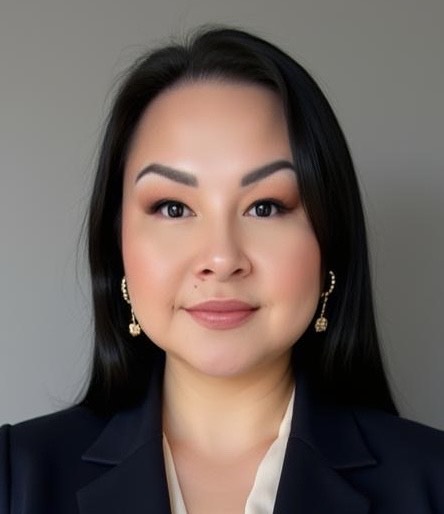
A MESSAGE FROM KYLIE
“There is boundless healing in our culture and traditions.”Kylie Meguinis
“There is pure joy in being wrapped in cultural elegance.” “A classic look for a timeless soul.”
Choose the workshop or workshops that interest your group, select your schedule, and connect with our team for help organizing your cultural program. Options range from a one-day workshop up to a twelve-week program.
Group size: minimum 5 and maximum 40 participants. Applicants are responsible for the venue, tables, and chairs. The proposal requires media consent forms from all participants.
Community engagement and team building support collaboration, communication, problem-solving, innovation, personal growth, employee morale and appreciation, group discussions, and shared laughter. Cultural learning can strengthen company culture, create lasting memories, and offer a day of decolonization.
TAKE THE FIRST STEP
Your application helps us understand your interests and what would help you participate.
Download application PDFPrintable form · 3 pages
This website does not accept online applications. Downloading the form does not submit an application or reserve a place.
A FEW THINGS TO KNOW
No. You decide what you share. You may pass, listen, journal privately, or use an alternate activity.
Include your needs on the application so they can be discussed with program staff. Available support must be confirmed; completing the form does not guarantee transportation or childcare.
Dates, session times, location, eligibility, and any costs will be confirmed before enrolment. These details are not yet listed on this website.
Cultural participation is voluntary, with meaningful alternatives. Activities and teachings follow local community guidance.
LET’S CONNECT
Diyi Dzinzisi Inigi Gwanistłi — “Thank you for this day.” Siyisgaas.